Services
Uterine Fibroids
Uterine Fibroids are non-cancerous growths that develop in or around the uterus. They are one of the most common gynecological conditions affecting women during their reproductive years. Fibroids can vary in size, number, and location, and while some women may not experience symptoms, others may face significant discomfort and fertility-related concerns.
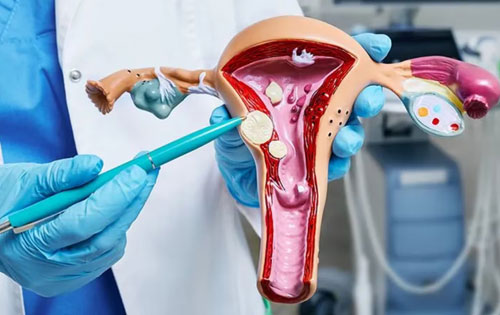
Depending on their size and location, fibroids can lead to heavy menstrual bleeding, pelvic pain, abdominal pressure, infertility, and recurrent pregnancy complications. Early diagnosis and proper treatment help manage symptoms effectively and improve overall reproductive health and quality of life.
Common Symptoms of Uterine Fibroids
- Heavy or prolonged menstrual bleeding
- Pelvic pain or pressure
- Frequent urination
- Abdominal bloating or swelling
- Pain during intercourse
- Lower back pain
- Difficulty conceiving
- Recurrent miscarriages
- Fatigue due to excessive blood loss
Types of Uterine Fibroids
- Intramural Fibroids: Develop within the muscular wall of the uterus.
- Submucosal Fibroids: Grow inside the uterine cavity and may affect fertility.
- Subserosal Fibroids: Develop on the outer surface of the uterus.
- Pedunculated Fibroids: Fibroids attached to the uterus by a stalk-like structure.
Diagnosis of Uterine Fibroids
- Clinical gynecological examination
- Ultrasound scan
- 3D-4D Sonography
- MRI scan in selected cases
- Hysteroscopy for uterine cavity evaluation
Treatment Options for Uterine Fibroids
- Medical Management: Medicines to control bleeding and symptoms.
- Laparoscopic Myomectomy: Minimally invasive removal of fibroids while preserving the uterus.
- Hysteroscopic Fibroid Removal: Removal of fibroids inside the uterine cavity.
- Laparoscopic Hysterectomy: Removal of the uterus in severe or recurrent cases.
- Fertility-Preserving Surgery: Specialized procedures aimed at improving conception chances.
Benefits of Early Treatment
- Relief from heavy bleeding and pelvic pain
- Improved fertility and reproductive health
- Prevention of complications and fibroid growth
- Better menstrual health and quality of life
- Minimally invasive treatment with faster recovery
- Reduced risk of anemia caused by excessive bleeding
Why Choose Minimally Invasive Treatment?
Advanced laparoscopic and hysteroscopic techniques allow fibroids to be treated with smaller incisions, minimal pain, reduced blood loss, and quicker recovery. These procedures also help preserve the uterus and fertility whenever possible.
Modern minimally invasive treatments provide safer surgical outcomes and improved patient comfort compared to traditional open surgery methods.
When to Consult a Specialist
If you experience heavy menstrual bleeding, pelvic pain, abdominal swelling, infertility, or recurrent miscarriages, consultation with a specialist is recommended. Early diagnosis and proper treatment of uterine fibroids can help prevent complications and improve reproductive health outcomes.