Services
IVF (In Vitro Fertilization)
IVF (In Vitro Fertilization) is an advanced assisted reproductive technology in which fertilization of an egg and sperm takes place outside the body in a laboratory. The resulting embryo is then transferred into the uterus to achieve pregnancy.
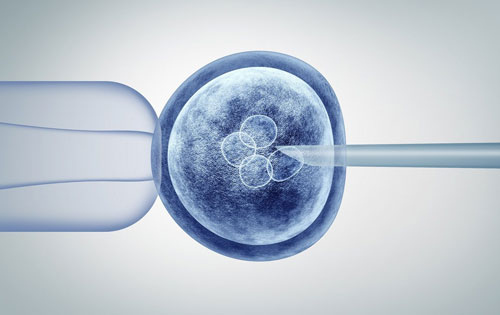
IVF is recommended for couples facing infertility due to blocked fallopian tubes, severe male factor infertility, endometriosis, ovulation disorders, or unexplained infertility. It offers hope for couples who are unable to conceive naturally.
Indications for IVF
- Blocked or damaged fallopian tubes
- Severe male infertility factors
- Endometriosis-related infertility
- Ovulation disorders not responding to treatment
- Unexplained infertility
- Advanced maternal age
Steps Involved in IVF
- Ovarian stimulation with hormonal injections
- Monitoring of follicular growth
- Egg retrieval procedure
- Sperm collection and preparation
- Fertilization in laboratory (embryology lab)
- Embryo transfer into uterus
- Pregnancy test after 10–14 days
Advantages of IVF
- High success rate in selected cases
- Effective for multiple infertility causes
- Option for embryo freezing and preservation
- Genetic screening options available (PGT)
- Helps achieve pregnancy in complex cases
- Advanced and controlled reproductive technique
Risks and Considerations
- Multiple pregnancy risk
- Ovarian hyperstimulation syndrome (rare)
- Emotional and financial stress
- Procedure-related discomfort
- Variable success rates depending on age and condition
Success Factors of IVF
- Age of the woman
- Quality of eggs and sperm
- Uterine health and receptivity
- Underlying cause of infertility
- Embryo quality
- Expertise of fertility specialist and lab
Support During IVF Treatment
IVF treatment requires emotional, physical, and psychological support. Counselling and proper guidance help couples manage stress and improve treatment outcomes.
When to Consult a Specialist
Couples who are unable to conceive after 1 year of regular unprotected intercourse (or 6 months if age is above 35) should consult a fertility specialist to evaluate the need for IVF or other assisted reproductive treatments.