Services
Hysteroscopy
Hysteroscopy is a minimally invasive gynecological procedure used to diagnose and treat abnormalities inside the uterus. It involves the use of a thin, lighted instrument called a hysteroscope, which is inserted through the cervix to provide a clear view of the uterine cavity without the need for large incisions.
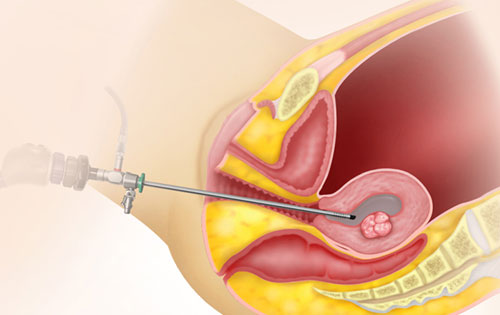
Hysteroscopy is commonly recommended for women experiencing abnormal uterine bleeding, infertility, recurrent miscarriages, uterine polyps, fibroids, or other uterine abnormalities. This advanced procedure allows accurate diagnosis and effective treatment with minimal discomfort, shorter recovery time, and faster return to normal activities.
Conditions Treated with Hysteroscopy
- Abnormal uterine bleeding
- Uterine polyps
- Submucosal fibroids
- Uterine septum and congenital abnormalities
- Infertility evaluation and treatment
- Recurrent miscarriages
- Adhesions or scar tissue inside the uterus
- Retained products of conception
- Postmenopausal bleeding evaluation
Types of Hysteroscopy Procedures
- Diagnostic Hysteroscopy: Used to examine the inside of the uterus and diagnose abnormalities.
- Operative Hysteroscopy: Performed to treat uterine conditions such as polyps, fibroids, adhesions, or septum.
- Fertility Hysteroscopy: Helps evaluate and improve uterine conditions affecting conception and pregnancy.
Benefits of Hysteroscopy
- Minimally invasive procedure without major cuts
- Accurate diagnosis of uterine conditions
- Less pain and discomfort
- Minimal blood loss
- Short hospital stay or daycare procedure
- Faster recovery and return to routine activities
- Improved fertility outcomes in selected cases
- Reduced risk of surgical complications
Why is Hysteroscopy Recommended?
Hysteroscopy provides a direct and magnified view of the uterine cavity, allowing precise diagnosis and treatment of gynecological problems. It is especially useful in women facing infertility, recurrent pregnancy loss, or abnormal menstrual bleeding.
Compared to traditional surgical procedures, hysteroscopy is safer, less invasive, and associated with quicker healing and better patient comfort.
Recovery After Hysteroscopy
Most women recover quickly after hysteroscopy and can return home the same day. Mild cramping or light spotting may occur for a short period after the procedure, but recovery is generally smooth and comfortable.
Proper follow-up care and medical guidance help ensure successful treatment outcomes and faster recovery.
When to Consult a Specialist
If you experience heavy or irregular periods, infertility, recurrent miscarriages, pelvic pain, or abnormal uterine bleeding, consultation with a specialist is recommended. Early diagnosis through hysteroscopy can help identify uterine abnormalities and provide effective treatment options.