Services
Ovulation Induction
Ovulation Induction is a fertility treatment that uses medications to stimulate the ovaries to produce and release eggs. It is commonly recommended for women who have irregular or absent ovulation, helping improve the chances of natural conception.
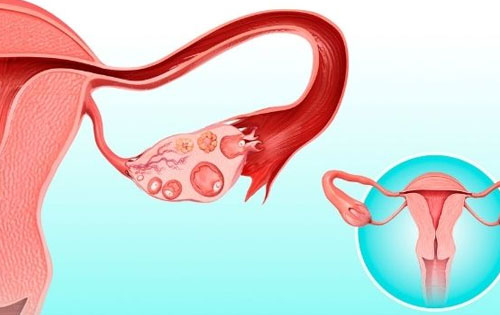
This treatment is often used in conditions such as :contentReference[oaicite:0]{index=0}, hormonal imbalance, or unexplained infertility. By regulating ovulation, it increases the likelihood of successful fertilization and pregnancy.
Indications for Ovulation Induction
- Irregular or absent menstrual cycles
- Anovulation (failure to release eggs)
- PCOS-related infertility
- Hormonal imbalance affecting ovulation
- Unexplained infertility cases
- Assisted reproductive treatment planning
Medications Used in Ovulation Induction
- Oral ovulation-inducing drugs (e.g., Clomiphene Citrate)
- Aromatase inhibitors (Letrozole)
- Injectable gonadotropins (FSH, LH)
- Hormonal regulation therapy
- Supportive progesterone supplementation
Procedure of Ovulation Induction
- Initial fertility evaluation and hormonal tests
- Ultrasound monitoring of ovaries
- Medication started at specific cycle days
- Regular follicular monitoring
- Trigger injection to induce ovulation (if required)
- Timed intercourse or IUI planning
Benefits of Ovulation Induction
- Improves chances of natural conception
- Helps regulate irregular cycles
- Simple and cost-effective fertility treatment
- Can be combined with IUI for better results
- Non-surgical and minimally invasive approach
- Effective for early-stage infertility management
Risks and Considerations
- Multiple pregnancy (twins or more)
- Ovarian hyperstimulation in rare cases
- Temporary hormonal side effects
- Need for close ultrasound monitoring
- Individual response may vary
Role in Fertility Treatment
Ovulation Induction is often the first step in fertility treatment before advanced procedures like :contentReference[oaicite:1]{index=1} or :contentReference[oaicite:2]{index=2}. It helps restore normal ovulation and improves natural pregnancy chances.
When to Consult a Specialist
Women experiencing irregular periods, difficulty in conceiving, or known ovulation disorders should consult a fertility specialist. Early evaluation and timely treatment significantly improve reproductive outcomes.