Services
Female Infertility
Female Infertility refers to the inability to conceive or achieve a successful pregnancy due to problems affecting the female reproductive system. Various factors such as ovulation disorders, hormonal imbalance, fallopian tube blockage, uterine abnormalities, endometriosis, age-related changes, and lifestyle factors can contribute to infertility in women.
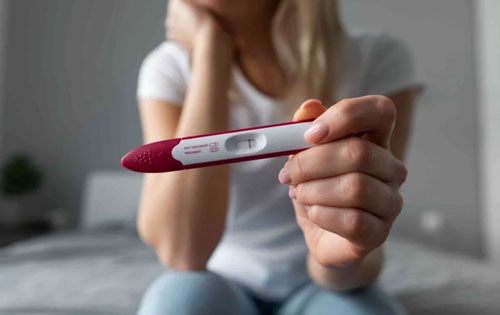
Infertility can be emotionally and physically challenging for couples, but with advancements in fertility care and reproductive medicine, many women can successfully conceive with proper diagnosis and personalized treatment. Early evaluation plays an important role in identifying the cause and improving treatment outcomes.
Common Causes of Female Infertility
- Ovulation disorders
- PCOS (Polycystic Ovary Syndrome)
- Blocked fallopian tubes
- Endometriosis
- Uterine fibroids or polyps
- Hormonal imbalance
- Ovarian cysts
- Age-related fertility decline
- Unexplained infertility
Symptoms Associated with Female Infertility
- Irregular or absent menstrual periods
- Difficulty conceiving
- Painful periods or pelvic pain
- Heavy menstrual bleeding
- Hormonal imbalance symptoms
- Recurrent miscarriages
Diagnosis of Female Infertility
- Detailed medical and menstrual history
- Ovulation and hormonal evaluation
- Ultrasound and 3D-4D Sonography
- Follicular monitoring
- Hysteroscopy and laparoscopy
- Fallopian tube assessment
Treatment Options for Female Infertility
- Ovulation Induction: Medications to stimulate ovulation.
- IUI Treatment: Intrauterine insemination to improve conception chances.
- IVF & ICSI: Advanced assisted reproductive treatments.
- Hormonal Treatment: Management of hormonal imbalance and menstrual disorders.
- Laparoscopic & Hysteroscopic Surgery: Treatment of fibroids, endometriosis, cysts, and uterine abnormalities.
- Fertility Preservation: Egg freezing and embryo freezing when required.
Benefits of Early Fertility Evaluation
- Early identification of fertility problems
- Improved chances of successful conception
- Personalized fertility treatment planning
- Better reproductive and hormonal health
- Timely management of gynecological conditions
- Improved pregnancy outcomes
Why is Timely Fertility Care Important?
Delayed fertility evaluation can reduce conception chances, especially with increasing age and untreated reproductive conditions. Early diagnosis and proper treatment help improve fertility potential and overall reproductive health.
Modern fertility treatments and minimally invasive surgical techniques provide safe and effective solutions for many women facing infertility challenges.
When to Consult a Specialist
Couples who are unable to conceive after regular unprotected intercourse for a year, or women experiencing irregular periods, pelvic pain, miscarriages, or hormonal imbalance should consult a fertility specialist for proper evaluation and treatment guidance.