Services
Gynaecological Health
Gynaecological health refers to the overall health of the female reproductive system, including the uterus, ovaries, fallopian tubes, cervix, and vagina. It plays a vital role in menstrual health, fertility, pregnancy, and overall wellbeing of women at all stages of life.
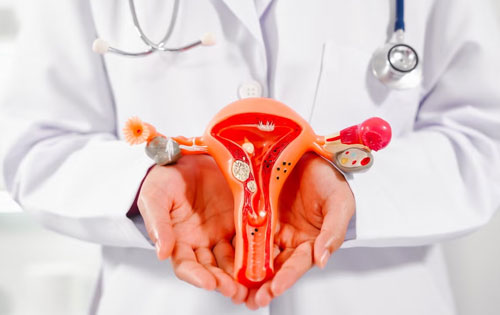
Maintaining good gynaecological health helps in early detection and prevention of various conditions such as infections, hormonal disorders, menstrual irregularities, fibroids, and reproductive system cancers. Regular check-ups and timely care are essential for long-term health.
Common Gynaecological Conditions
- Menstrual irregularities
- Polycystic Ovary Syndrome (PCOS)
- Uterine fibroids and polyps
- Endometriosis
- Ovarian cysts
- Pelvic inflammatory disease (PID)
- Vaginal infections
- Hormonal imbalance
Symptoms That Should Not Be Ignored
- Irregular or painful periods
- Excessive or very light menstrual bleeding
- Pelvic or lower abdominal pain
- Unusual vaginal discharge
- Pain during intercourse
- Difficulty conceiving
Diagnostic Procedures
- Pelvic examination
- Ultrasound and 3D-4D imaging
- Pap smear test
- Hormonal blood tests
- Hysteroscopy
- Laparoscopy (if required)
Treatment Options
- Medical management with hormonal therapy
- Antibiotic treatment for infections
- Laparoscopic and minimally invasive surgeries
- Fertility treatments if required
- Lifestyle and dietary modifications
- Regular follow-up and monitoring
Importance of Regular Check-ups
Regular gynaecological check-ups help in early detection of potential health issues, ensuring timely treatment and prevention of complications. They are especially important for women with menstrual problems, fertility concerns, or a family history of reproductive disorders.
Preventive Care for Women’s Health
- Annual gynaecological examinations
- Routine Pap smear screening
- HPV vaccination
- Healthy diet and regular exercise
- Stress management and lifestyle balance
- Early consultation for symptoms
When to Consult a Specialist
Women should consult a gynaecologist if they experience persistent menstrual irregularities, pelvic pain, abnormal bleeding, fertility issues, or any unusual reproductive symptoms. Early diagnosis ensures better outcomes and long-term health.