Services
Egg Freezing
Egg Freezing (Oocyte Cryopreservation) is an advanced fertility preservation technique in which a woman’s eggs are retrieved, frozen, and stored for future use. It allows women to preserve their fertility potential at a younger age for later pregnancy planning.
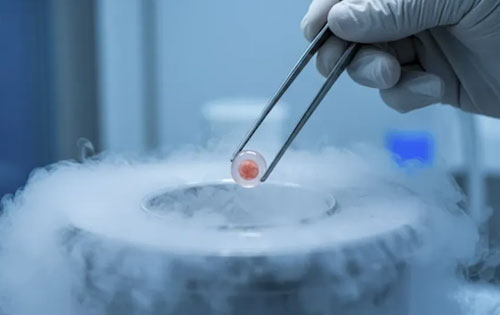
This procedure is especially useful for women who wish to delay pregnancy due to personal, professional, or medical reasons, or those undergoing treatments that may affect fertility such as chemotherapy or radiation therapy.
Indications for Egg Freezing
- Delayed childbearing plans
- Medical conditions affecting fertility
- Cancer treatment (chemotherapy/radiation)
- Low ovarian reserve
- Family history of early menopause
- Elective fertility preservation
Procedure of Egg Freezing
- Ovarian stimulation using hormonal injections
- Monitoring follicle growth through ultrasound
- Egg retrieval procedure under sedation
- Selection of mature eggs
- Vitrification (rapid freezing technique)
- Storage in cryogenic tanks for long-term preservation
Advantages of Egg Freezing
- Preserves fertility at younger age
- Provides flexibility in family planning
- Useful before medical treatments affecting ovaries
- No need for sperm at time of freezing
- High survival rate with modern vitrification techniques
- Safe long-term storage option
Success Factors
- Age at time of egg freezing
- Number of eggs retrieved
- Egg quality and ovarian reserve
- Laboratory technology and expertise
- Thawing and fertilization success
- Uterine health during embryo transfer
Safety of Egg Freezing
- Minimally invasive and safe procedure
- No long-term harm to ovaries
- No impact on future fertility potential
- Well-established cryopreservation technique
- Widely used worldwide in fertility preservation
When to Consult a Specialist
Women planning to delay pregnancy or those at risk of losing fertility due to medical conditions should consult a fertility specialist to evaluate whether egg freezing is the right option for long-term reproductive planning.