Blogs
Signs & Treatment of PCOS
Polycystic Ovary Syndrome (PCOS) is one of the most common hormonal disorders affecting women of reproductive age. It can impact menstrual cycles, fertility, weight, skin health, and overall well-being. Early diagnosis and proper treatment can help manage symptoms effectively and improve reproductive health.
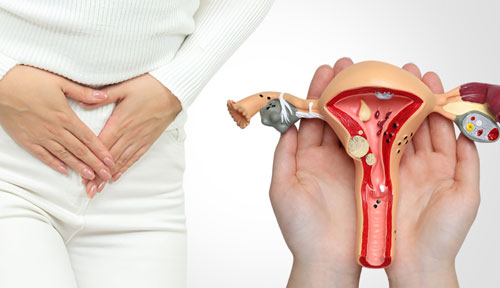
PCOS occurs due to hormonal imbalance, which may interfere with ovulation and lead to the formation of small cysts in the ovaries. With the right medical guidance and lifestyle management, women with PCOS can successfully manage symptoms and improve fertility outcomes.
Common Signs & Symptoms of PCOS
The symptoms of PCOS can vary from person to person. Some women may experience mild symptoms, while others may face significant hormonal and reproductive issues.
Common symptoms include:- Irregular or missed periods
- Difficulty in conceiving
- Weight gain or difficulty losing weight
- Excess facial or body hair growth
- Acne and oily skin
- Hair thinning or hair fall
- Darkening of skin around neck or underarms
How PCOS Affects Fertility
PCOS can affect ovulation, making it difficult for women to conceive naturally. Hormonal imbalance may prevent the ovaries from releasing eggs regularly, leading to irregular menstrual cycles and fertility challenges.
However, with timely diagnosis and appropriate fertility treatment, many women with PCOS can achieve successful pregnancy outcomes.
Treatment Options for PCOS
PCOS treatment depends on the symptoms, age, and fertility goals of the patient. The main aim is to manage hormonal imbalance, improve ovulation, and reduce long-term health risks.
Treatment options may include:- Lifestyle and dietary modifications
- Weight management programs
- Hormonal medications for cycle regulation
- Ovulation induction treatment
- Fertility treatments like IUI or IVF
- Management of acne and excess hair growth
Importance of Early Diagnosis
Early diagnosis and treatment of PCOS are important to prevent complications such as infertility, diabetes, high blood pressure, and metabolic disorders. Regular follow-up and medical care help maintain hormonal balance and improve overall health.
Healthy Lifestyle & PCOS Management
A healthy lifestyle plays a major role in managing PCOS symptoms. Regular exercise, balanced nutrition, stress management, and maintaining a healthy weight can significantly improve hormonal health and menstrual regularity.
Conclusion
PCOS is a manageable condition with the right medical guidance and treatment approach. Timely care can improve fertility, regulate hormones, and enhance overall quality of life. Women experiencing symptoms of PCOS should seek expert consultation for accurate diagnosis and personalized treatment.
Consult Dr. Keshav Pai for expert diagnosis and advanced treatment options for PCOS and fertility-related concerns.